Fake AI Doctors on Facebook Push Unproven Supplements, Investigation Finds
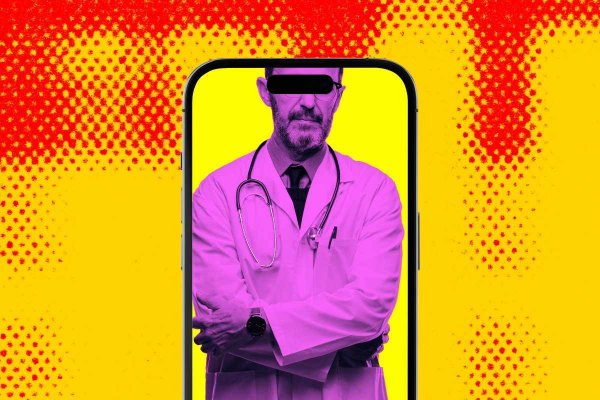
Artificial intelligence-generated avatars are impersonating physicians and wellness experts in a wave of social media advertisements that push unverified supplements and potentially dangerous medical advice. A New York Times investigation, which reviewed hundreds of such ads on Facebook and Instagram, found that these videos follow a formulaic pattern designed to build trust with viewers, often featuring American flags, suburban backdrops, or office settings with fake diplomas on the wall.
One video highlighted in the investigation shows an AI-generated Asian grandmother in a lab coat claiming, “In Chinese medicine, we have known exactly how to bring this down for generations,” while another ad features a doctor avatar whose diploma reads “University of Degree.” The ads are not limited to doctor personas; some depict enthusiastic everyday people in parking lots or grocery stores, mimicking the style of human influencers to promote the products.
The claims made in these advertisements range from misleading to outright dangerous. For example, an ad for a supplement called “Sculptique” asserts that the herbal product treats kidney disease better than prescription medication. The company behind it claims to have given the supplement to 100 people with stage three kidney disease, showing an AI-generated video of these supposed recipients raising their bottles in a warehouse.
The impact on vulnerable populations is tangible. Pamela Wundrow, a 71-year-old woman, told the NYT that she purchased a supplement called moringa from a company named Rosabella after seeing ads on Facebook to treat symptoms related to her autoimmune disease. Months into her daily use, federal regulators announced a recall of Rosabella’s moringa supplement due to salmonella contamination. Wundrow did not contract salmonella, but she reported that her health declined while taking the product. “They’re targeting us people that have health issues,” she said.
The production of these ads is not an amateur effort. One Chinese company, which the NYT does not identify, uses AI videos to help brands sell products on TikTok, designing the content to appear as American as possible. The company claims to produce 1,200 AI videos daily, each costing just $10. Its head of AI marketing, Vivi Yi, acknowledged that advertising health products requires caution, noting that the term “weight management” is used instead of “lose weight.”
While these ads would be illegal on American television, social media platforms have looser rules. TikTok told the NYT that it bans accounts making misleading health claims, and Meta says it labels AI-generated content. However, the NYT found that some clearly AI-generated health videos remained on the platforms at the time of the investigation, though they were later removed.
Why Older Users Are Vulnerable
The investigation underscores the challenge for older users, who are often the primary targets of these ads, to distinguish between real and AI-generated content. Wundrow, while watching a video of an elderly woman claiming that a supplement is backed by Chinese medicine, remarked, “To me this does not look like an AI.” This sentiment reflects a broader concern about the erosion of trust in online health information.
The findings raise questions about the effectiveness of current platform policies and the need for stronger enforcement to protect consumers from deceptive AI-generated advertising.
Fake AI Doctors on Facebook Push Unproven Supplements, Investigation Finds
A New York Times investigation reveals that AI-generated avatars posing as doctors and health experts are flooding Facebook and Instagram with ads for unverified supplements. These ads, which often include fake diplomas and misleading claims, target older users, leading to real-world health risks and even a salmonella recall.
Leave a Comment
Comments (0)