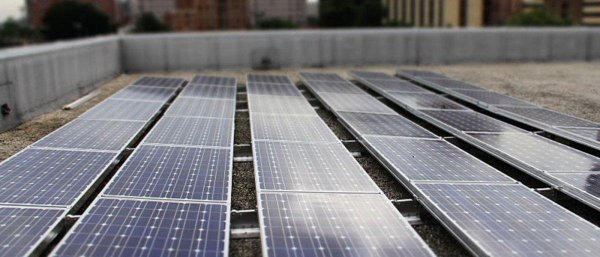
China's Solar Capacity Doubles, Leading Global Renewable Shift
China has solidified its position as the world's foremost solar energy producer, with its installed capacity doubling in 2016 to reach 77.42 gigawatts, according to the National Energy Administration (NEA). This milestone underscores the country's commitment to reducing its reliance on coal, a shift that carries significant implications for global energy markets and climate change mitigation.
The NEA's year-end figures show that China's solar installations generated 66.2 billion kilowatt-hours of electricity in 2016. While this output is substantial, it represents only about one percent of the nation's total power generation—a reflection of both China's vast population and its status as the world's largest industrial economy. The relatively small share highlights the scale of the transition ahead, but also the potential for growth.
Government Targets and Investment
Under the NEA's development plan, China is aiming to add more than 110 gigawatts of solar capacity by 2020. This ambitious target is part of a broader strategy to increase the share of renewable energy in the country's energy mix from 11 percent to 20 percent by 2030. Achieving this goal will require substantial financial commitment, and China has already allocated $364 billion (2.5 trillion yuan) toward its renewable energy vision.
The investment reflects a deliberate policy choice, as China seeks to balance its economic growth with environmental sustainability. The country's sheer scale means that even modest percentage gains in renewable energy translate into massive absolute increases in clean power generation, potentially influencing global energy trends.
Implications for a Greener Future
China's progress in solar energy is not just a domestic achievement; it has global repercussions. As the world grapples with the effects of climate change, the actions of the world's largest emitter of greenhouse gases are closely watched. China's move to expand its solar capacity signals a tangible step toward reducing its carbon footprint, though the path forward is not without challenges.
The transition from coal to renewable sources involves not only financial outlays but also technological and logistical hurdles. Grid integration, energy storage, and regional disparities in solar resource availability are among the factors that will determine how effectively China can utilize its growing solar infrastructure. Nonetheless, the NEA's data points to a clear trajectory: China is making a deliberate, well-funded push to lead the world in solar energy production.
As the country continues to build out its renewable capacity, the coming years will reveal whether these investments translate into a meaningful shift in its energy mix. For now, the 2016 figures stand as a marker of China's intent and its capacity to act on a global scale.
China's Solar Capacity Doubles, Leading Global Renewable Shift
China's solar capacity doubled in 2016, reaching 77.42 gigawatts, making it the world's largest producer. The country aims to add 110 gigawatts by 2020 and increase renewables to 20% by 2030, backed by a $364 billion investment.
Leave a Comment
Comments (0)