Arctic's Rapid Shift: A Decade of Unprecedented Change
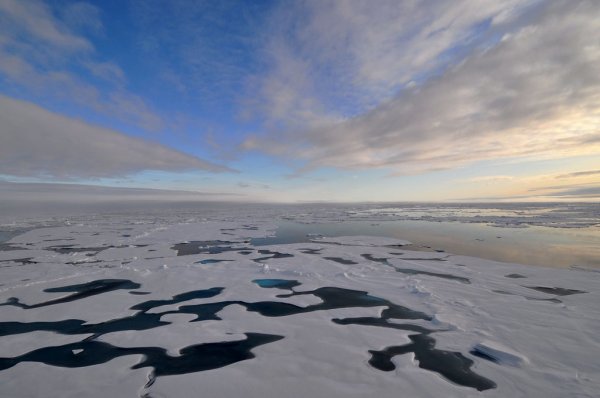
In the span of just ten years, the Arctic has undergone a transformation so profound that scientists describe it as a shift into a new state of normal. The region, once characterized by vast expanses of thick, multi-year ice, now faces a reality of diminishing ice cover and soaring temperatures that have shattered historical records. This dramatic change is not merely a statistical anomaly but a clear indicator that the most severe consequences of climate change are no longer a distant threat—they are unfolding now.
Data collected over the past decade reveal a consistent trend of warming that has accelerated beyond many climate models' predictions. The Arctic has warmed at a rate nearly twice the global average, a phenomenon known as Arctic amplification. This rapid warming has led to a significant reduction in sea ice extent, with summer ice minimums reaching record lows. In 2020, the Arctic sea ice extent was among the lowest ever recorded, continuing a downward spiral that has become a hallmark of the region's changing climate.
Unexpected Discoveries in a Warming Ocean
Amidst this backdrop of change, researchers have made startling accidental findings that highlight the complexity of the Arctic's response to warming. One such discovery involves patches of green ice, a phenomenon caused by the proliferation of microorganisms in waters that have reached unprecedented temperatures. These blooms, typically associated with more temperate or tropical regions, are now appearing in the Arctic, a clear sign that the ecosystem is being fundamentally altered. The presence of these microorganisms not only changes the color of the ice but also affects the local food web and the albedo effect, potentially accelerating further ice melt.
The implications of these changes extend far beyond the Arctic's borders. The loss of sea ice contributes to global sea-level rise, alters ocean circulation patterns, and affects weather systems across the Northern Hemisphere. The release of methane from thawing permafrost, another consequence of Arctic warming, poses a significant risk of amplifying climate change even further. These interconnected effects underscore the urgency of the situation, as the Arctic's transformation is not an isolated event but a harbinger of global changes to come.
Scientists emphasize that the current trajectory is not sustainable. The changes observed in the Arctic over the past decade are a stark reminder that greenhouse gas emissions must be drastically reduced to prevent the worst outcomes. The window for action is narrowing, and the Arctic's new normal serves as a call to policymakers and the public alike to address the root causes of climate change with the seriousness they demand.
As the Arctic continues to evolve, researchers are intensifying their efforts to monitor and understand these changes. The data being collected are crucial for refining climate models and informing adaptation strategies. The Arctic's transformation is a story of environmental change that is both alarming and instructive, offering a glimpse into a future that humanity must strive to avoid.
Arctic's Rapid Shift: A Decade of Unprecedented Change
Over the past decade, the Arctic has undergone a dramatic transformation, with record-breaking temperatures and significant ice loss signaling a new climatic state. Scientists have observed unexpected phenomena, including green ice from microorganism blooms in unusually warm waters, underscoring the urgency of addressing climate change.
Leave a Comment
Comments (0)